
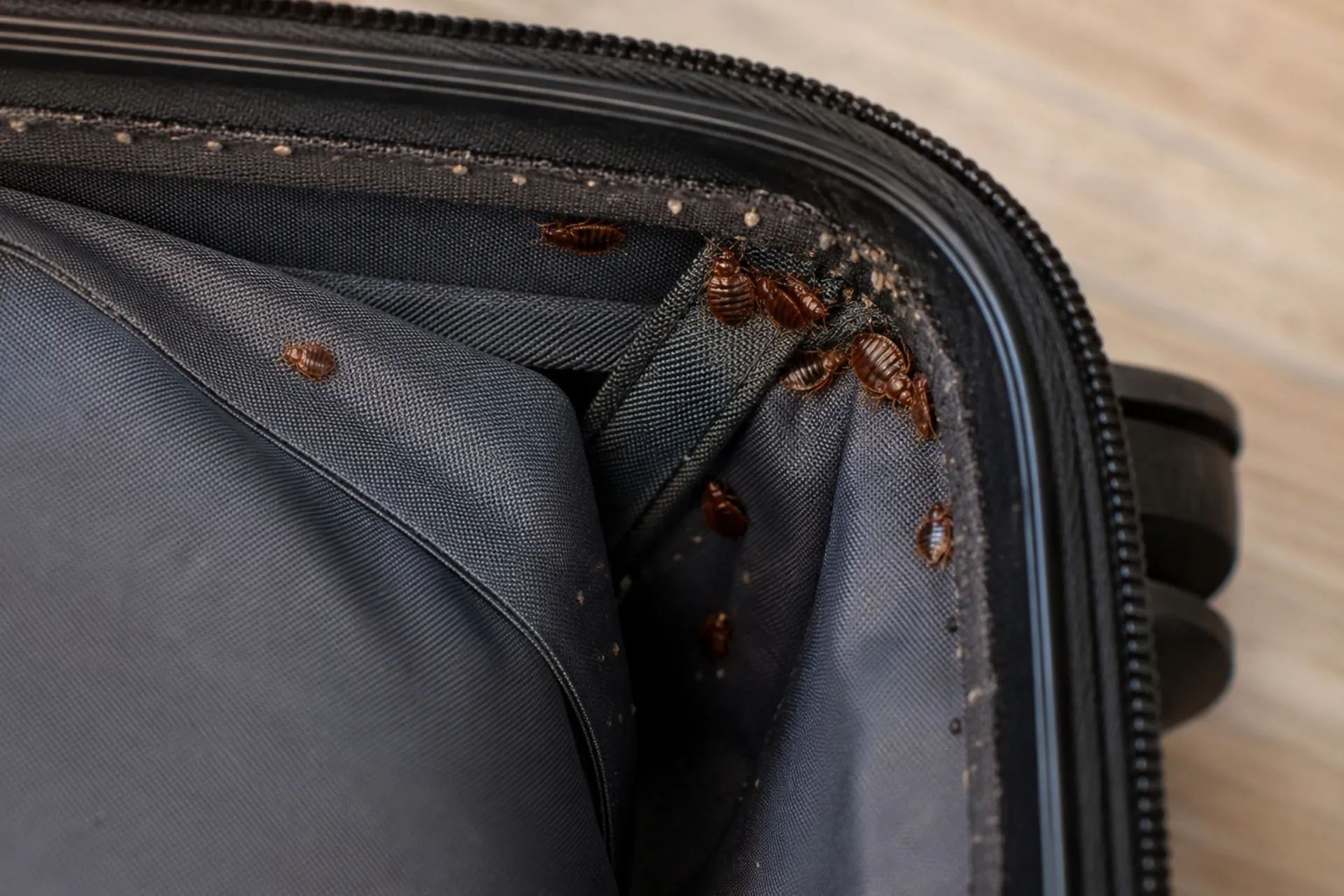
Charlottesville families returning from summer travel can use these simple checks to spot bed bugs in luggage before unpacking at home.
Summer travel can bring families home with packed suitcases, laundry, sports gear, and souvenirs. Bed bugs can hide in small folds and travel with belongings, so the safest time to check is before everything reaches bedrooms and closets. A hotel stay does not mean a family brought bed bugs home, but a quick, organized inspection can catch suspicious evidence early. When signs are confirmed, bed bug treatment in Charlottesville can be planned around the rooms and belongings that were actually exposed.
Choose an Unpacking Area
Avoid placing suitcases on beds, couches, or carpeted bedroom floors. Use a well-lit, easy-to-clean space where items can be sorted without spreading them through the house. Depending on the home, a hard-surface entry, laundry area, garage, or bathtub may be useful. Keep bags together until they have been checked.
Children may want toys, blankets, and electronics immediately. Set aside a clean container for processed items so everyone understands what is ready to use and what still needs attention.
Examine the Luggage Carefully
Use a flashlight to inspect zipper folds, piping, seams, pockets, wheels, handles, and the area behind the lining. Bed bugs are flat and can fit into narrow gaps. Look for live reddish-brown insects, smaller pale nymphs, shed skins, pale eggs, or clusters of dark spotting.
A single stain or unidentified speck is not enough to diagnose an infestation. If a suspicious insect is present, trap it with clear tape or place it in a sealed container. Good photographs and an intact specimen make identification easier.
Sort Clothing Without Shaking It
Move washable fabrics directly from luggage into sealed bags or the washing area. Do not shake clothing through the room. For dryer-safe materials, the dryer’s heat is the useful part of the process. Use a heat setting appropriate for the fabric, avoid overloading the drum, and place processed items into clean bags or containers.
Separate objects that should not go into a dryer, including some shoes, books, medications, electronics, and delicate souvenirs. Keep them contained until they can be inspected. Do not spray these belongings with pesticides or expose them to improvised heat in an oven, vehicle, or homemade chamber.
Check the Less Obvious Travel Items
Families often focus on clothing and overlook items that sat near a hotel bed or upholstered chair. Inspect:
Backpacks, diaper bags, purses, and camera cases
Travel pillows, stuffed animals, and blankets
Laptop sleeves and electronics cases
Shoes and hats stored beside luggage
Car-seat covers and soft travel organizers
Books, papers, and souvenir bags
Bed bugs do not live on people, so children and adults do not need pesticide treatment. A normal shower and a change into clean clothing are sufficient while belongings are handled.
Inspect the Home if Bags Already Reached a Bedroom
If luggage was placed on a bed before anyone noticed a concern, do not panic or move the mattress. Check the luggage and then examine mattress seams, the headboard, bed-frame joints, nightstand edges, and nearby baseboards. Record where each bag rested and monitor those areas.
Do not begin sleeping in another room. If bed bugs are present, changing sleeping locations may encourage them to spread toward a new host. Keep the bed accessible for inspection, reduce nearby clutter, and avoid carrying potentially exposed items to relatives or friends.
Respond to Evidence, Not Fear
Itchy marks after travel are not reliable proof of bed bugs. Skin reactions can be delayed or caused by many other conditions. Physical evidence provides a better basis for action. A confirmed bug, shed skins, eggs, or characteristic spotting near a resting area deserves professional attention.
Families should also think about the vehicle used for the trip. Luggage may spend hours in a trunk or cargo area, but ordinary summer temperatures inside a parked vehicle are not a dependable treatment. Inspect the seats, cargo mat, and areas where bags rested if there was confirmed evidence in the lodging. Avoid transferring loose travel items into another car. A vehicle inspection may be appropriate when live bugs were found in luggage after it had been transported.
Virginia Bed Bug Experts offers heat, Aprehend®, and hybrid options for Charlottesville homes. The best response depends on where the luggage traveled, what evidence is present, and whether activity has reached a sleeping area. Families who find a suspicious bug or repeated signs after vacation can contact Virginia Bed Bug Experts for identification help and a treatment plan based on the actual exposure.
Need a local specialist?
Get a confidential, no-obligation quote today.