
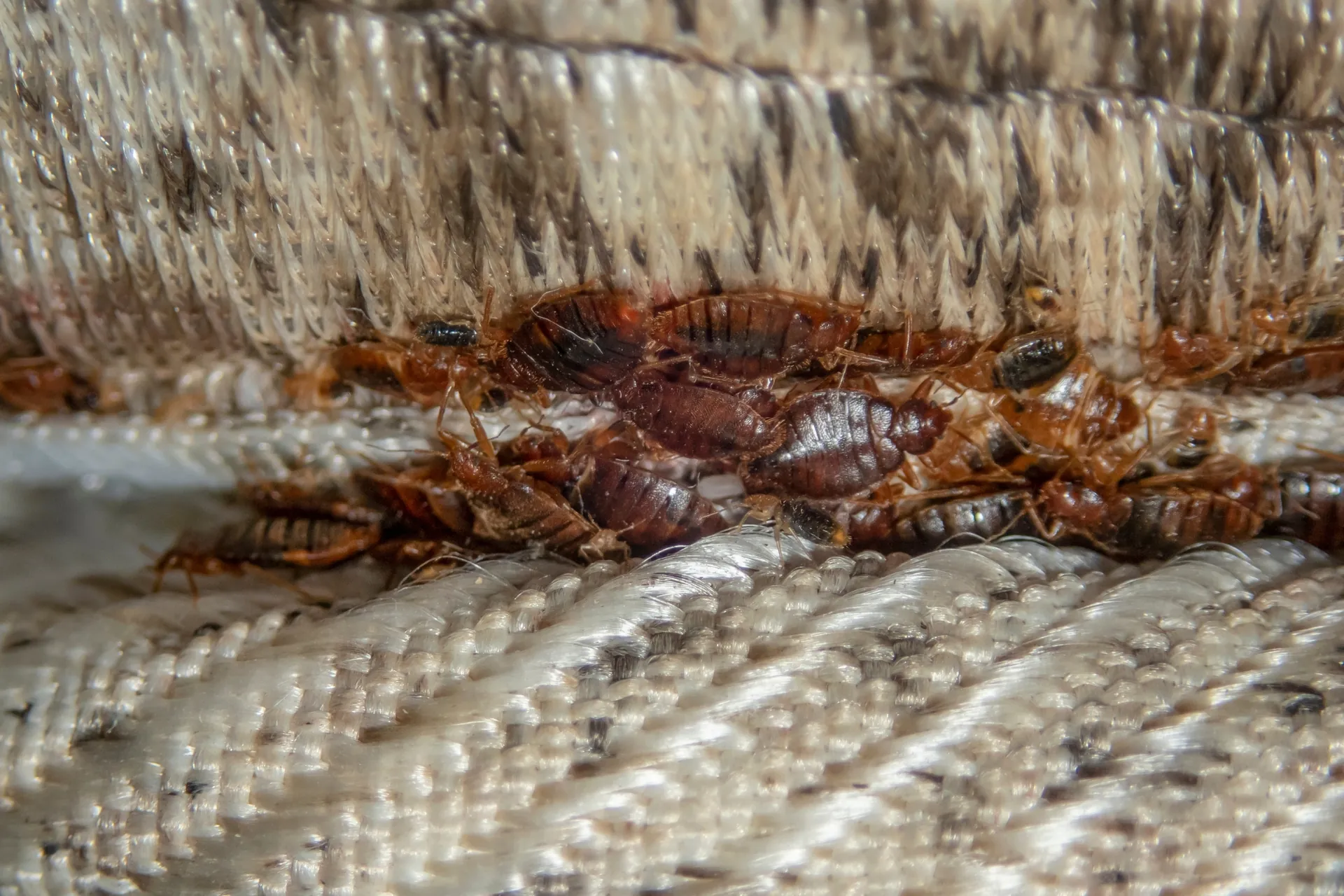
Suspect bed bugs are coming from another apartment? Document the signs, alert management, and avoid actions that could spread them farther.
Bed bugs can move between apartments, but finding one near a shared wall does not prove which unit is the source. They may travel through small openings or be carried through the building on belongings. A coordinated response protects residents and gives the property manager better information than blame or isolated spraying. When activity is confirmed, professional bed bug treatment in Fredericksburg should account for the affected unit, adjoining spaces, building construction, and resident movement.
Report the Evidence Promptly
Capture a bug if possible and photograph signs before cleaning. Record the room, date, and exact location. Notify the landlord or property manager in writing and keep a copy. The lease and applicable Virginia requirements may shape responsibilities, access, preparation, and treatment, so residents should request clear written instructions rather than guessing.
Bites alone cannot confirm bed bugs or identify their source. Some people do not react, while others develop marks for unrelated reasons. Live bugs, eggs, shed skins, and characteristic spotting provide more useful evidence.
Ask About Inspection of Nearby Units
The apartments beside, above, and below a confirmed infestation may need inspection. Which units should be included depends on the building layout and the pattern of activity. Shared utility lines, baseboard gaps, outlets, and pipe penetrations can provide possible routes, although an inspection may not reveal the exact path.
Property managers should communicate privately and avoid naming a resident as the cause without evidence. Bed bugs can arrive through travel, visitors, furniture, work, school, or movement from another unit. A resident may also have no visible bites and remain unaware of activity.
Keep the Problem From Expanding
Do not move into the living room, a neighbor’s apartment, or a relative’s home. Bed bugs follow access to a resting host, and changing sleeping areas can spread activity. Avoid carrying mattresses, couches, clothing piles, or bags through shared hallways.
Laundry can be handled in sealed bags, then returned in clean bags or containers. Keep coats, backpacks, and purses away from beds and upholstered furniture. Do not lend belongings while the situation is being evaluated.
Foggers and random pesticide applications can expose residents, conflict with the professional protocol, and push bugs into harder-to-reach areas. Never apply pesticide inside outlets or wall voids unless a product is labeled for that exact use and the application is being handled appropriately.
Follow One Coordinated Preparation Plan
Residents may receive instructions to reduce clutter, bag certain items, provide access to walls and furniture, or protect heat-sensitive belongings. Complete only the preparation requested for the chosen method. Excessive bagging and removal can relocate bugs or leave possessions untreated.
The treatment plan may use heat, Aprehend®, or a hybrid approach. Aprehend® can continue working as bugs cross treated bands, while heat addresses the areas brought to lethal temperatures during service. The right protocol depends on the units involved, level of activity, resident needs, and risk that bugs may continue moving from an untreated space.
Keep Records During Follow-Up
After service, note any new sightings and preserve specimens. Record whether the bug was alive or dead and where it appeared. Ask how long treated surfaces must remain undisturbed and when follow-up inspection should occur. A single sighting shortly after a residual treatment may be interpreted differently from repeated activity weeks later.
Residents should also clarify what happens if one household cannot complete preparation on schedule. Missed access or partially prepared units can affect a coordinated plan, especially when connected apartments are being evaluated together. Property managers can reduce confusion by providing the same written instructions to each involved household and identifying accommodations for elderly residents, families with young children, or people with disabilities. The treatment provider should know about these constraints before service day, not after technicians arrive.
Communication should continue after the initial treatment. Residents need a simple way to report specimens, photographs, and new locations without waiting for the next general building notice. Management can collect those reports and share the relevant details with the treatment provider. A pattern of sightings may show that another inspection is needed, while isolated post-treatment activity may fit the expected timeline for the method used.
Apartment infestations are easier to address when residents, management, and the treatment provider share accurate information. Fredericksburg renters or property managers dealing with suspected movement between units can contact Virginia Bed Bug Experts to discuss inspection scope and a treatment plan designed for connected housing.
Need a local specialist?
Get a confidential, no-obligation quote today.