
Moving near UVA? Charlottesville students and parents can learn where bed bugs may hide and what to inspect before settling into new housing.
Move-in day near the University of Virginia brings crowded sidewalks, packed vehicles, secondhand furniture, and frequent changes in housing. Those conditions do not mean a student will encounter bed bugs, but they create plenty of opportunities for the insects to travel unnoticed. Students and parents who understand the warning signs can respond calmly and avoid spreading a small problem. If a suspicious insect or unexplained bites appear, professional bed bug treatment in Charlottesville begins with confirming what is actually present.
Inspect Before Belongings Fill the Room
An empty bedroom is easier to examine than one crowded with boxes. Before carrying in bedding, clothing, or furniture, use a flashlight to look closely at mattress seams, bed-frame joints, the area behind the headboard, and cracks near the sleeping area. In furnished housing, check upholstered chairs and the edges and underside of the mattress and box spring.
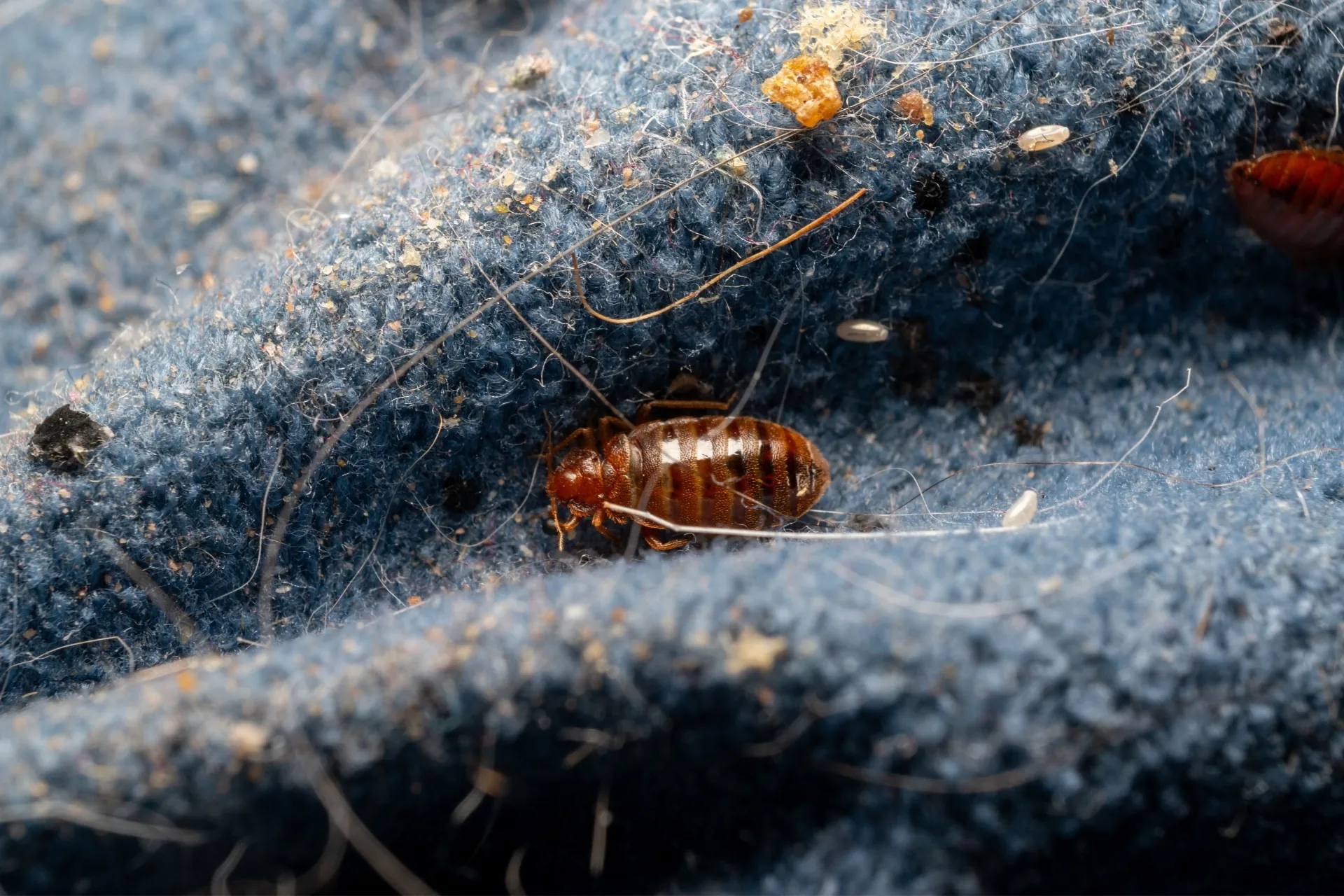
Live bed bugs are flat, oval, and reddish brown as adults, although younger bugs are smaller and paler. Other possible signs include shed skins, tiny dark spotting, pale eggs, or rusty stains. A stain by itself does not prove bed bug activity. Photograph anything suspicious and avoid crushing or discarding the best evidence. A specimen secured in a sealed container or clear plastic bag can help with identification.
Be Careful With Used Furniture
Budget-conscious students often furnish apartments through curbside finds, online marketplaces, or hand-me-downs. A clean appearance does not rule out bed bugs because they can remain deep in seams, screw holes, folds, and hollow furniture components. Upholstered items and bedroom furniture deserve especially close attention.
Inspect used pieces outdoors or in a garage before bringing them inside. Ask where the item was stored and why it is being sold, but do not rely on the seller’s assurance alone. Furniture with unexplained spotting, shed skins, live insects, or inaccessible hiding areas is a poor gamble for student housing.
Keep the Move Organized
Bed bugs do not live on people like lice, and they do not fly or jump. They usually spread by hiding in belongings and being carried to a new place. A few practical habits make inspection easier:
Pack clothing and linens in sealed bags or lidded plastic containers.
Keep clean items separated from belongings that have been in storage or another residence.
Avoid placing backpacks and luggage on beds during the move.
Inspect rented moving blankets and soft-sided bags before they enter the bedroom.
Reduce clutter around the bed so signs are easier to notice later.
After the room is set up, keep the bed slightly away from the wall when practical and prevent bedding from pooling on the floor. Mattress and box-spring encasements can simplify future inspections, although they do not prevent bed bugs from entering the home.
Know What To Do If a Bug Appears
Do not start spraying random products or move into another room. Over-the-counter treatments can scatter activity, expose people to unnecessary pesticide, or make professional assessment harder. Moving bedding and clothing through hallways or into a roommate’s room can also carry bugs to new areas.
Students in dormitories should report a concern through the housing process promptly. Renters should review their lease and notify the landlord or property manager in writing. Photograph signs, note where and when they appeared, and keep potentially affected belongings contained until there is a clear plan.
Bites cannot identify bed bugs with certainty. Reactions vary widely, and several skin conditions or other insects can cause similar marks. Physical evidence and a careful inspection provide a stronger basis for deciding what to do next.
Parents can also help students create a simple monitoring routine after move-in. A quick look at mattress seams and the bed frame when changing sheets is more useful than repeatedly spraying the room without evidence. Roommates should agree to share confirmed sightings promptly and avoid borrowing bedding or upholstered items until the concern is resolved. Clear communication is especially helpful in shared apartments, where one person may notice physical signs before anyone else does.
UVA move-in is already demanding, so a suspected bed bug should be handled methodically instead of with panic. Virginia Bed Bug Experts offers heat, Aprehend®, and hybrid treatment options based on the setting and extent of activity. Students, parents, landlords, or property managers can contact the local Virginia Bed Bug Experts team to discuss the evidence, arrange an inspection, and determine an appropriate next step.
Need a local specialist?
Get a confidential, no-obligation quote today.